Moving Bodies in the Streets of the Heart of Tunis
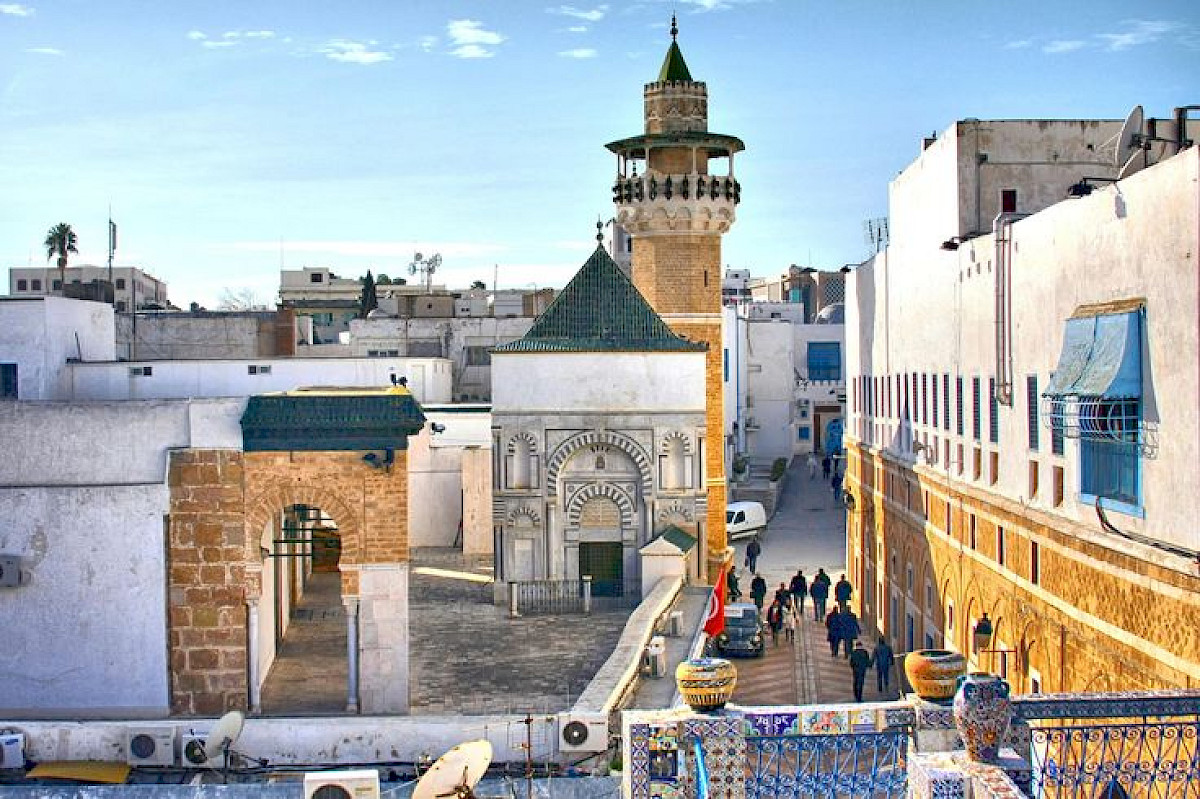
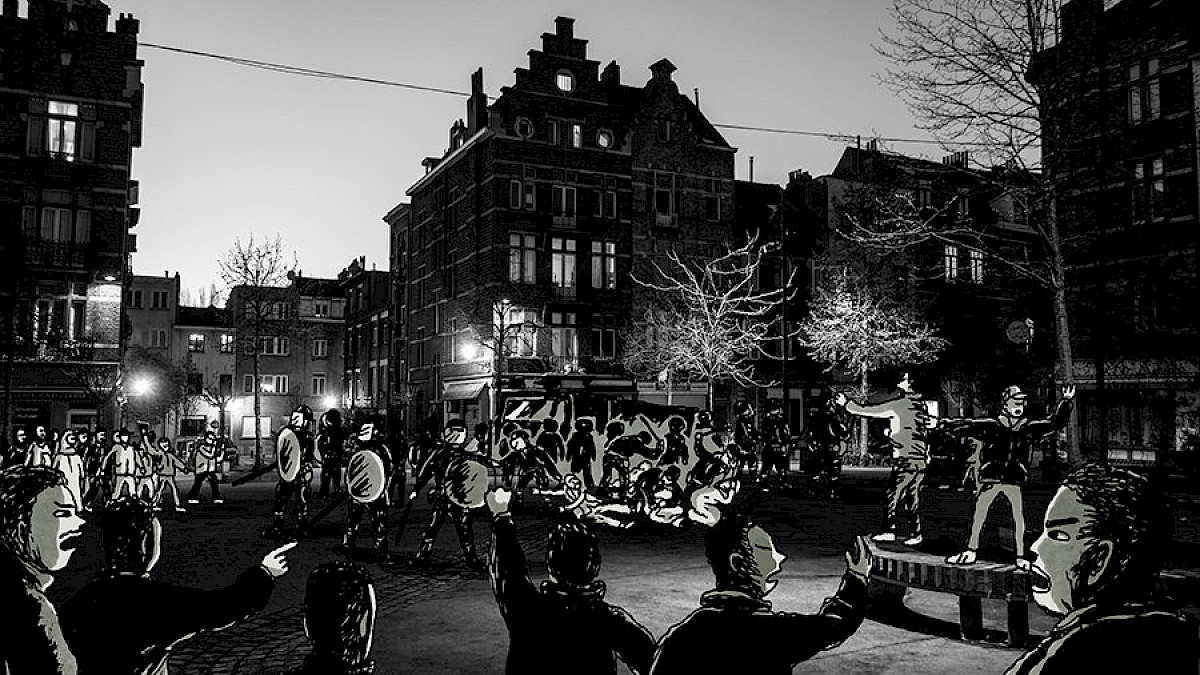
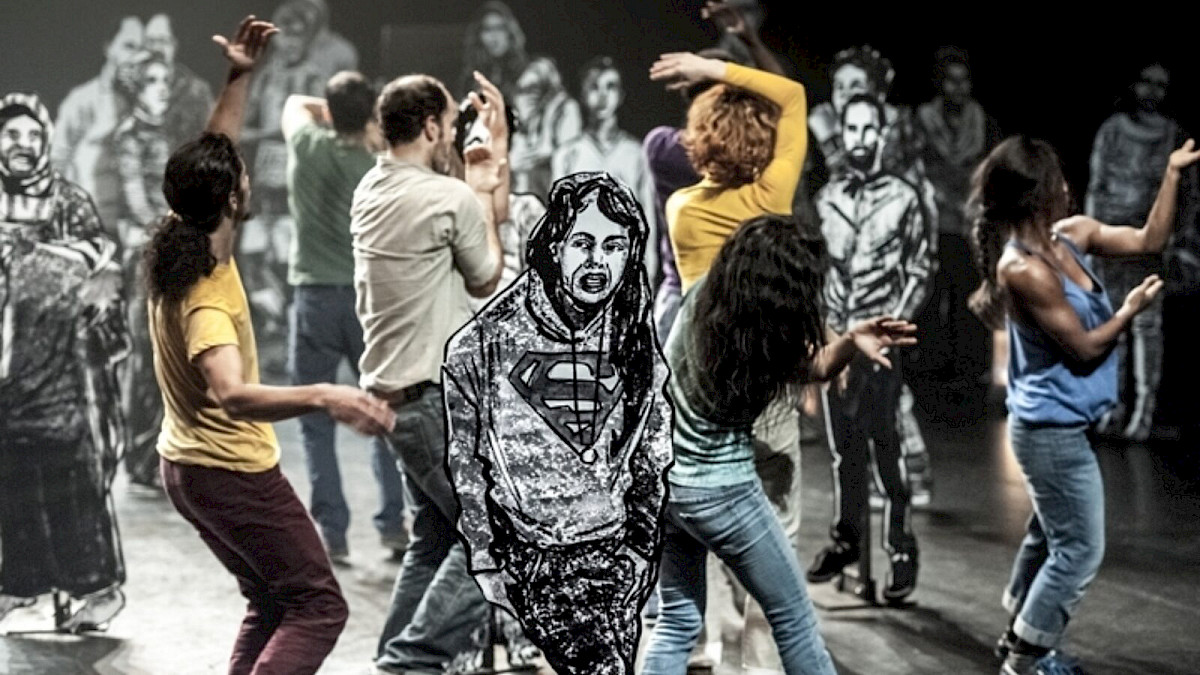
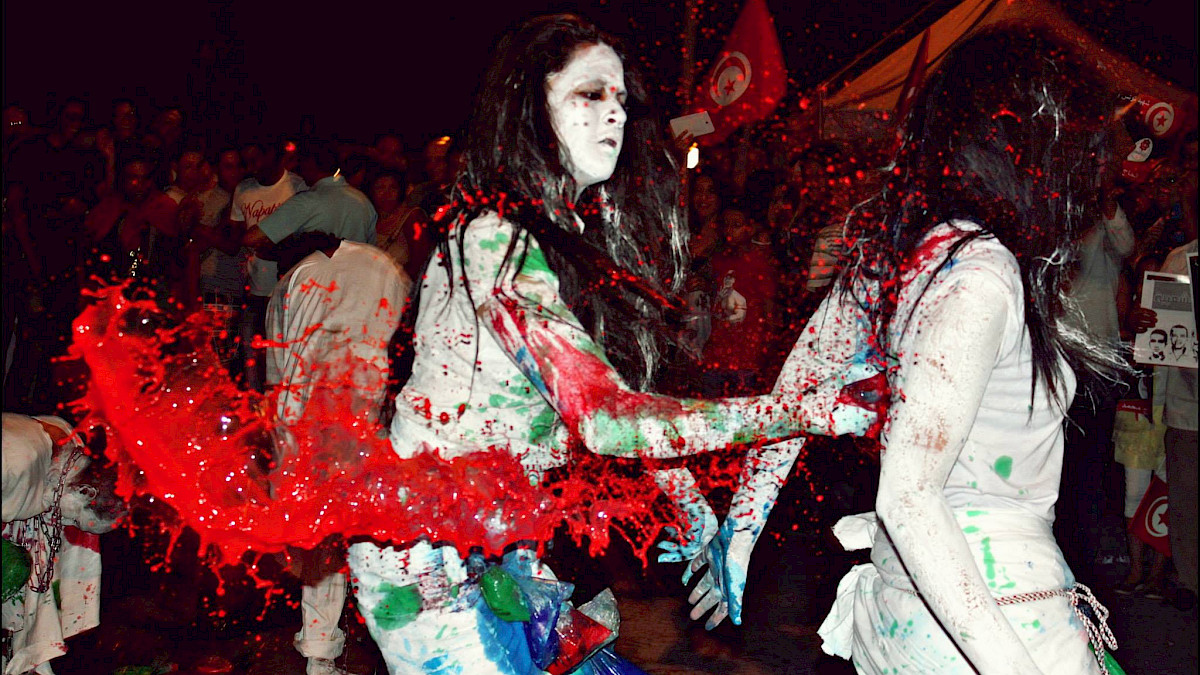
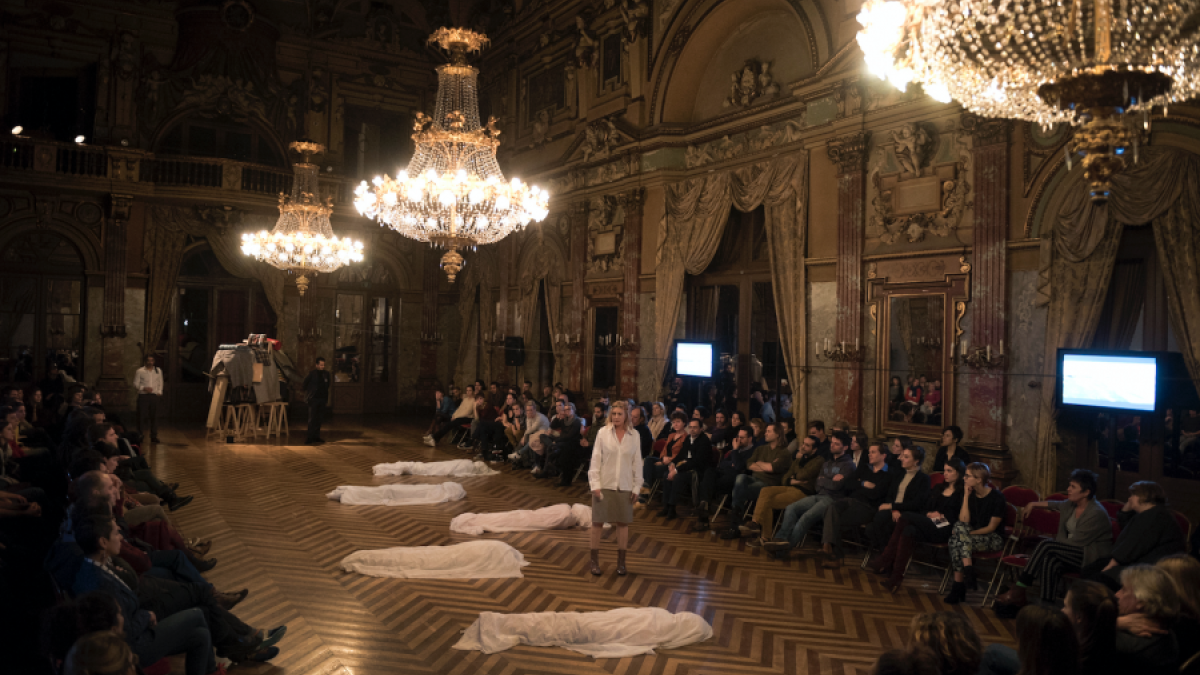
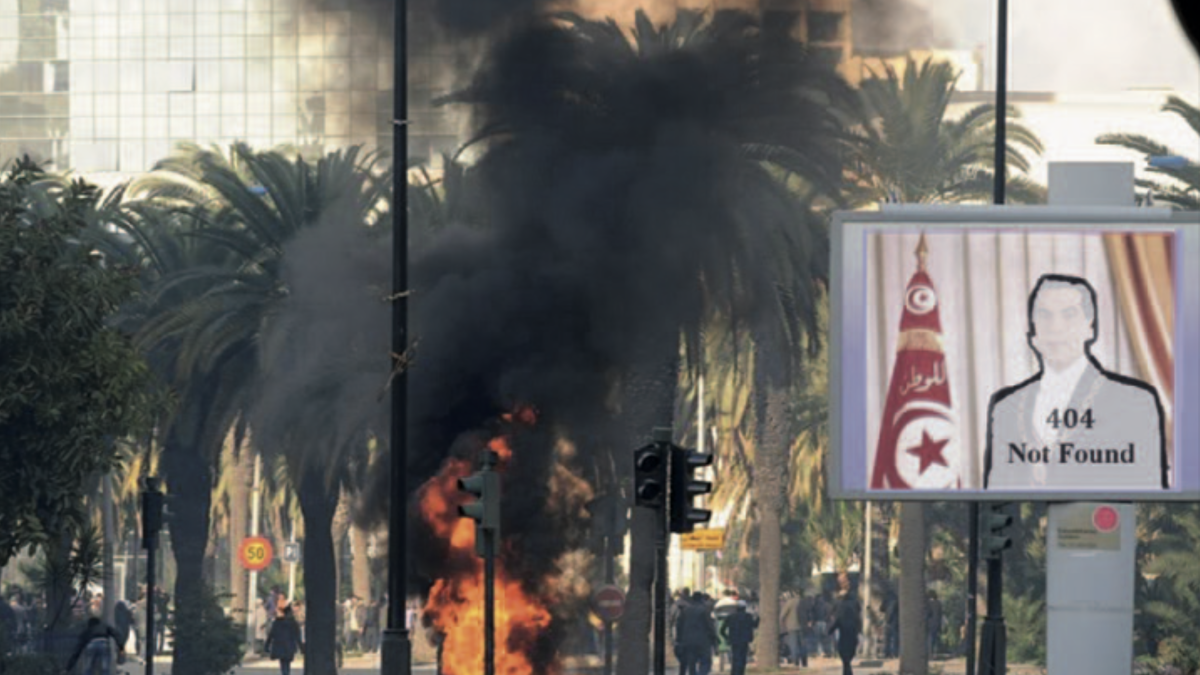
Tunisia 2014, almost four years ago, the people took the street and sent the autocratic ruler packing in the direction of Mecca. The performativity of bodies in the street in all their plurality laid claim and occupied the symbolic public space of the Kasbah, forming a collective body defying the established body politic, until the demand of the dissolution of the political structures in power was met. Four years later life regained a semblance of normality. However, the sudden historical transformation brought the political back in the center of the public sphere and encouraged dancers and performers to sporadic reinvest public space. The altered political context makes visible key political aspects and conditions of embodied artistic performances in the public space. By closely analyzing different cases of bodily interventions in public space, we hope to strengthen our understanding of the political role performances can play in a revolutionary context.The findings further elaborated in this article are mainly based on an intensive participatory observation during a Euro-Mediterranean artistic training late in 2014 in Tunis, organized by the Fai-Ar, the European Center for Artistic Training in Public Space and the L’Art Rue Association, initiator of the Dream City Biennial of Contemporary Art. The research-oriented but practice-based training was initiated in the local context of Tunis’ medina on the theme of “Conflicts and Resistance: The Artist Citizen and the Tunisian Public Space”. Artists studied public space in its relation to pictures and images, materiality, voice and sound, dramatic writing and staging, the body and movement. As I did in my participatory observation, in this article I focus on the body and movement in public space. I will gradually develop my argument relying on my lived, embodied and shared experience with other participants of three illustrative performances initiated during the artistic training.