Monumental Re-Bourguibization
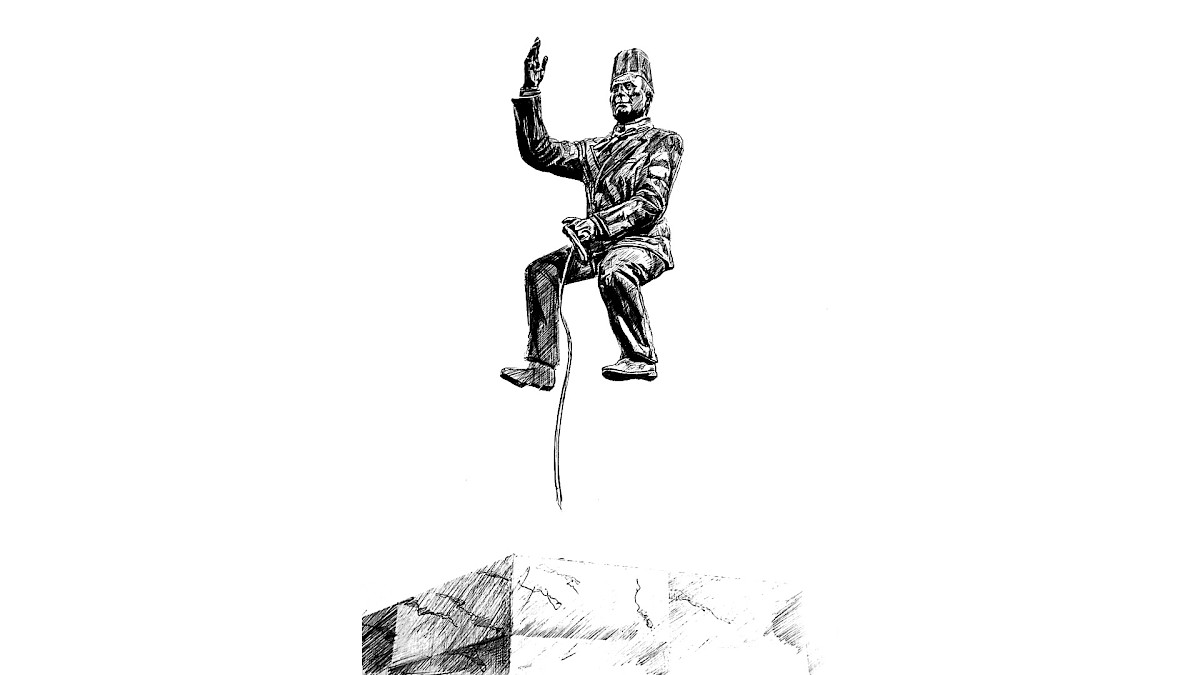
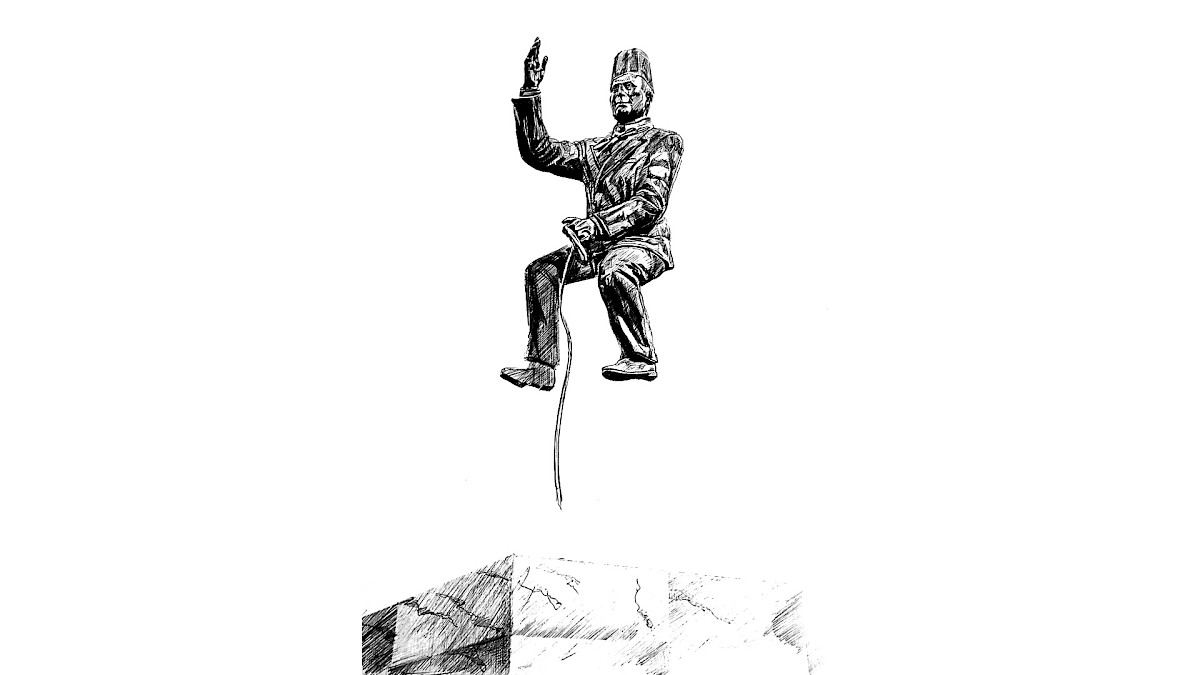
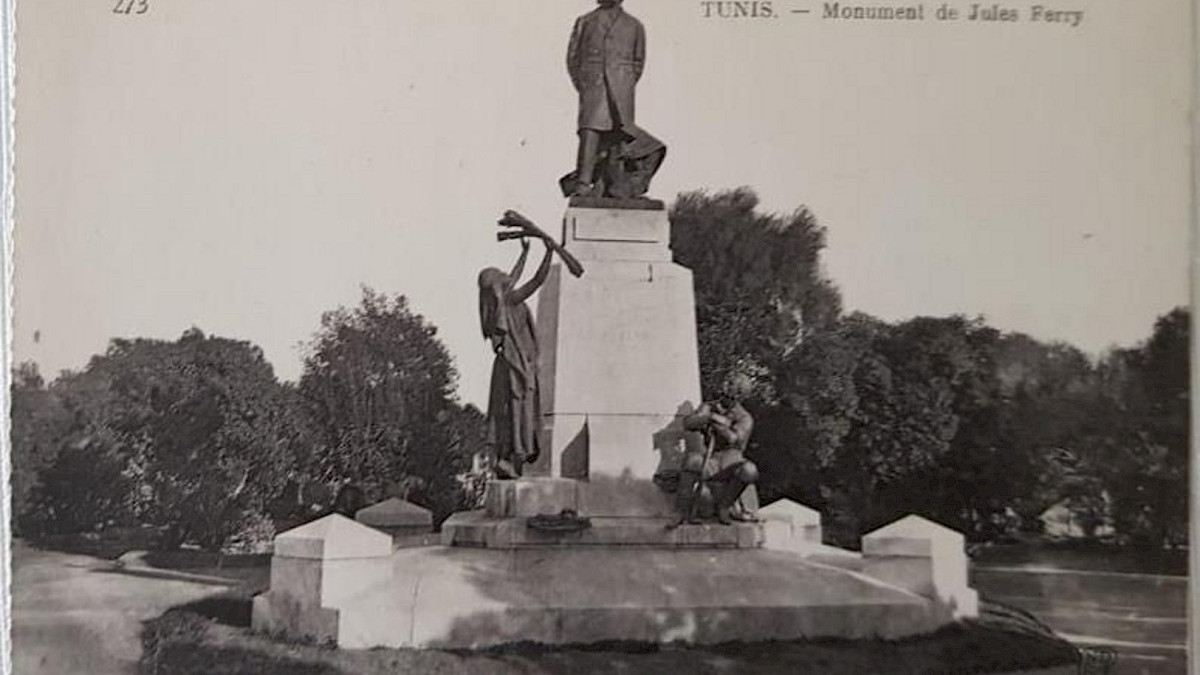
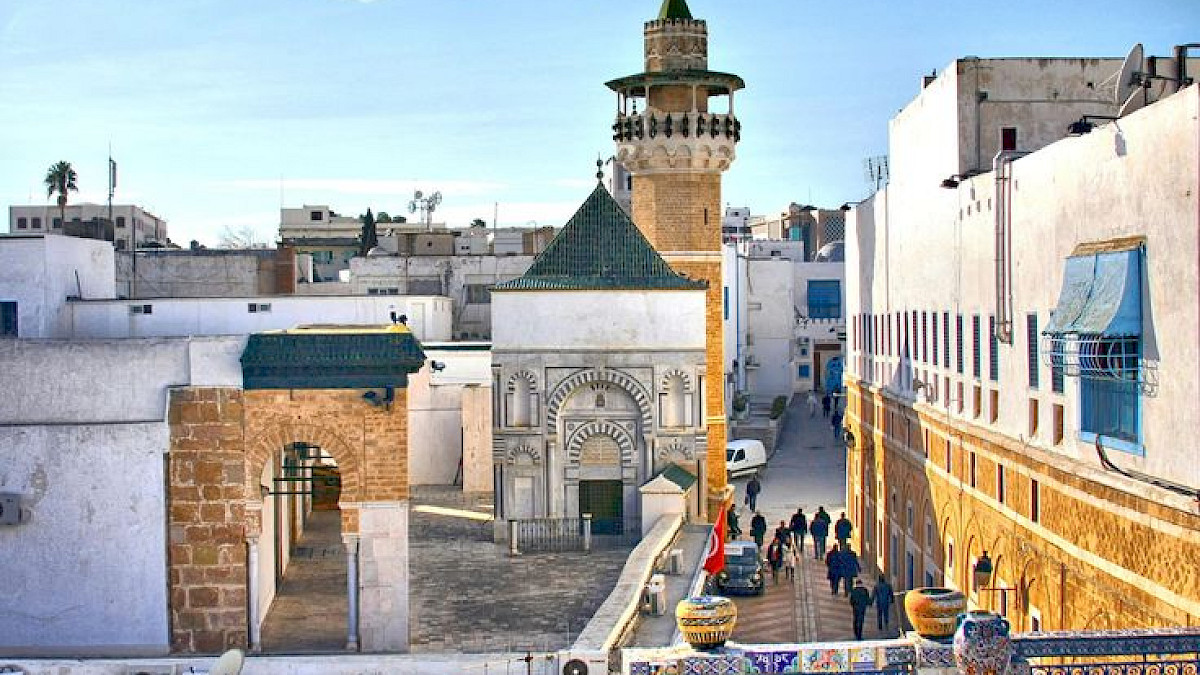
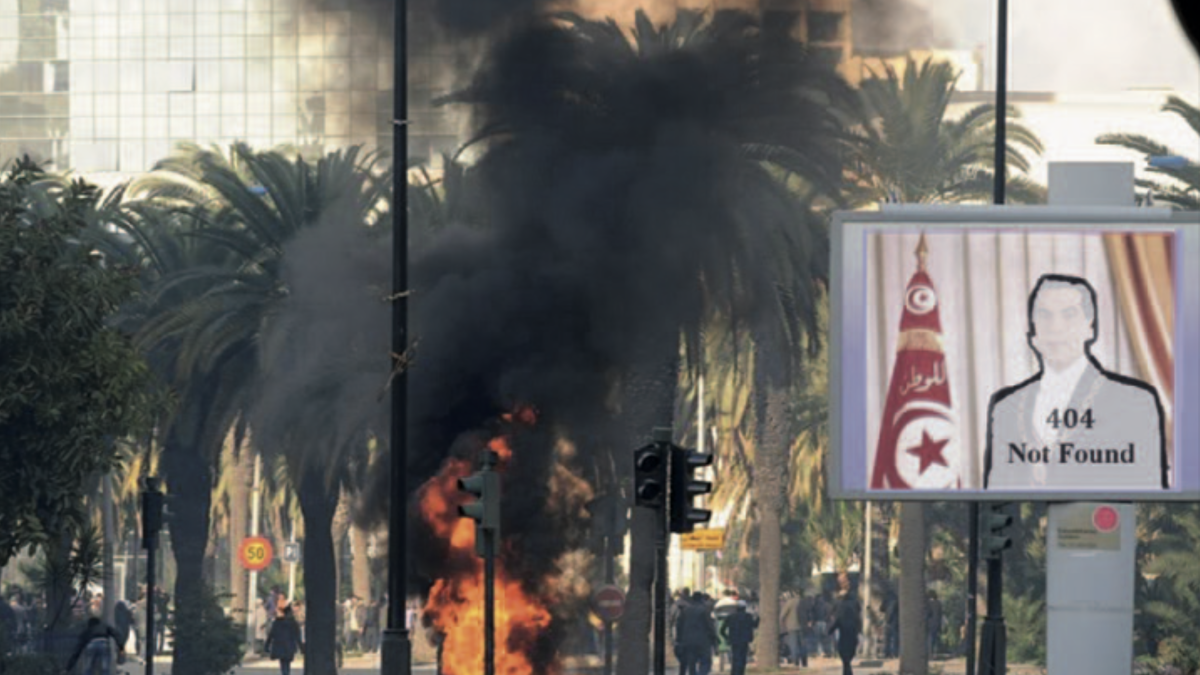
In January 2016, the first President of post-revolutionary Tunisia, Beji Caid Essebsi addressed the people, from exact the same setting as former president Habib Bourguiba’s in January 1984’s speech to contain popular revolts. In the proposed book chapter, I venture into the power dynamics proper to the constitution and reconstitution of state aesthetics in the process of monumental re-bourguibization. As the appropriation of spectacular power in different cities over Tunisia such as Sousse, Monastir or Tunis, was met with new waves of artistic resistance, my contribution to the book takes notice of the often-overseen processes through which aesthetic agency was temporarily halted by the re-emergence of new forms of authoritarian symbolic politics during the post-revolutionary phase. Based on a long-term participant observation in the field of visual arts in Tunisia between 2011 and 2017 and combining insights from aesthetic theory and various postcolonial critiques, I show how monumental aesthetics are not structured overnight. Looking into the formation of spectacular power in the longue durée, I argue that the thousand eyes that constitute contested monumental aesthetics in Tunisia are historical constructions, characterized by a palimpsestic structure that reveal its postcolonial disposition. This historically detour helps to untie the present apparent contradictions proper to the ambiguous processes of monumental de-bourguibization and re-bourguibization. Through the self-conscious, ostentatious, and aesthetic gesture of over-writing one symbolic order by another, the site of former colonial and postcolonial power is marked with at times opposing narratives and counter narratives of national becoming, forming a renewed, multilayered but contested site of postcolonial spectacular power. Published in the volume Art Against Authoritarianism in Southwest Asia and North Africa, edited by Tijen Tunali and Josepha Ivanka Wessels (I.B. Tauris, 2025